
South Park Characters: Keeping a Visual Series Consistent
Plan a consistent visual series using 12 South Park character references, fixed design notes, deliberate variations, and a practical way to review image continuity.

A visual series asks more of a character design than a single image does. The figure must remain recognizable when the pose, crop, or setting changes. South Park characters make this challenge easy to examine because their identity often rests on a small number of features: headwear, a large clothing color, and a distinctive outline. For a new character for a visual series, try South Park Character Creator.
The images in this guide were collected from the South Park Public Library. We use them to build a practical way of recording visual continuity.
Decide what stays fixed
Make a short continuity note before planning variations. Record the head shape, main outfit colors, and essential accessories. Keep the pose and setting in a separate section. Otherwise, a revision to the scene may accidentally rewrite the character's design, making it difficult to tell whether a later result is a variation or a different person.
Stan Marsh
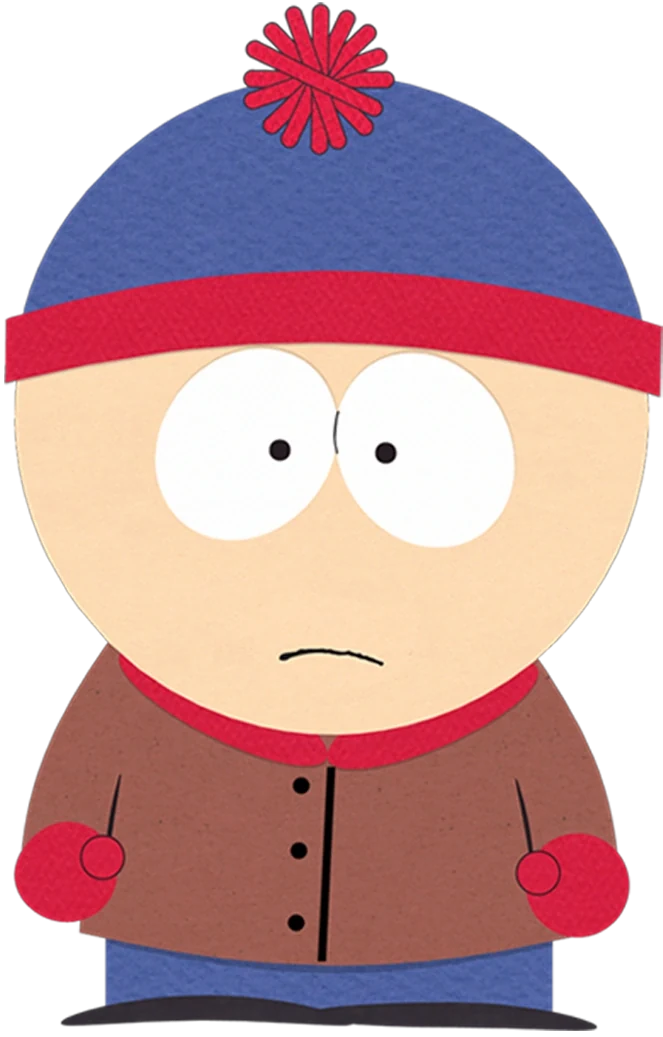
Stan's fixed visual cues in this reference include a blue cap with red band and pom-pom, a brown coat, and red gloves. A new pose can change where the hands appear, but it should not silently move the hat's red accent onto a different garment if outfit continuity is the goal.
Kyle Broflovski
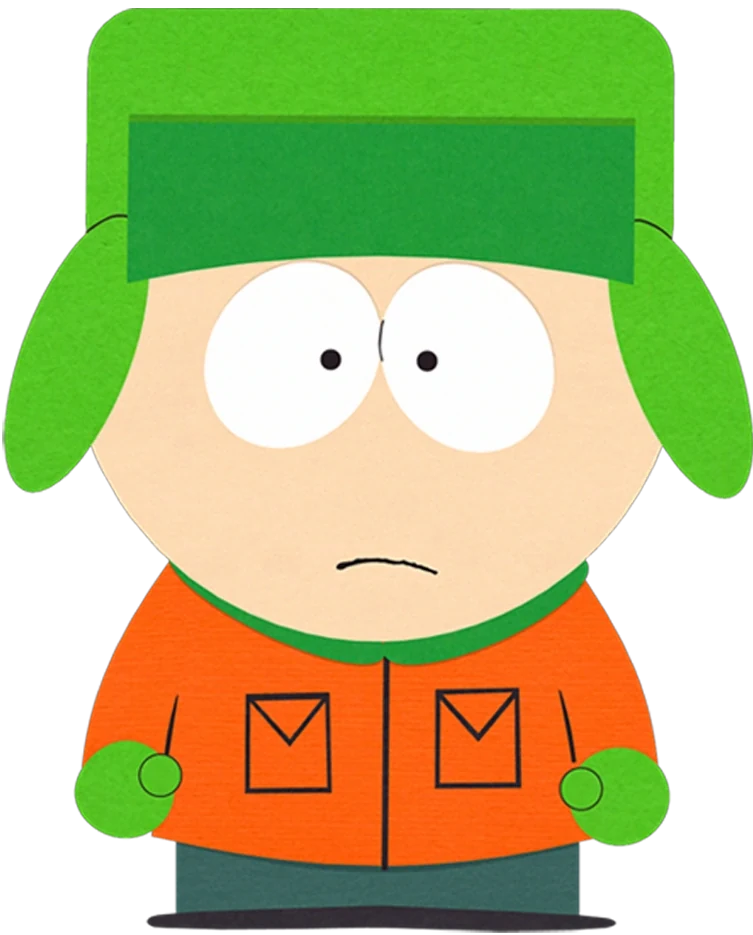
Kyle's green hat has hanging earflaps above an orange jacket. Those large features should lead a continuity note. The jacket pockets can be recorded next, particularly for a close image. A series seen at small size may preserve identity through the hat and coat even when the pockets are less visible.
Kenny McCormick
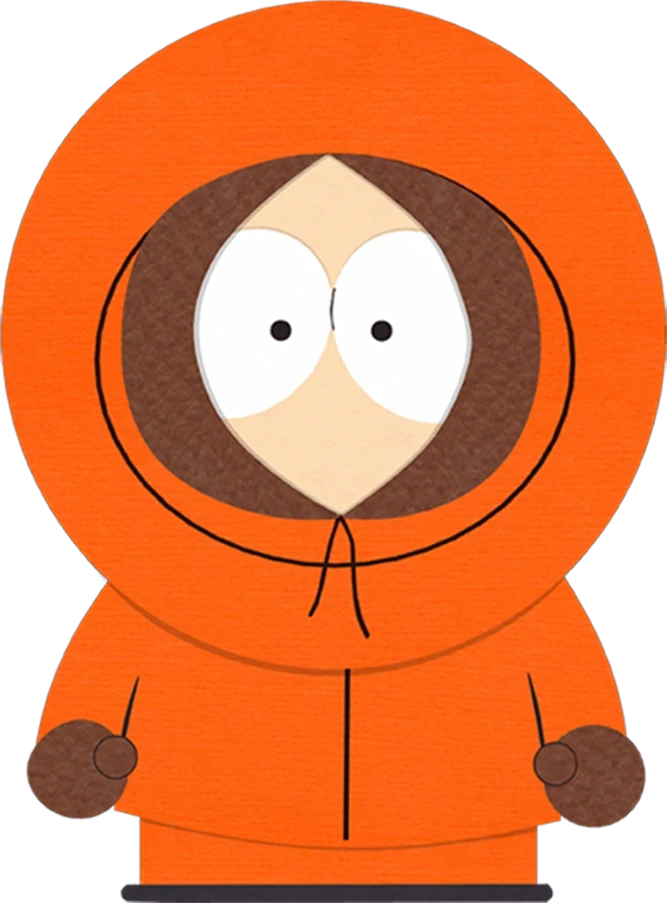
Kenny's orange hood encloses the face, with a dark opening and drawstrings below. The hood is structural information, not just a color choice. A later image that exposes an uncovered head would need a deliberate explanation rather than being accepted as the same outfit because orange clothing remains.
Eric Cartman

Cartman's broad body shape is as important as his red jacket and turquoise-and-yellow cap. Record the proportions alongside the palette. A series can retain all the correct colors but still shift the figure toward a narrower silhouette, which changes one of the strongest recognition cues in this portrait.
Keep hairstyles stable across crops
Butters Stotch
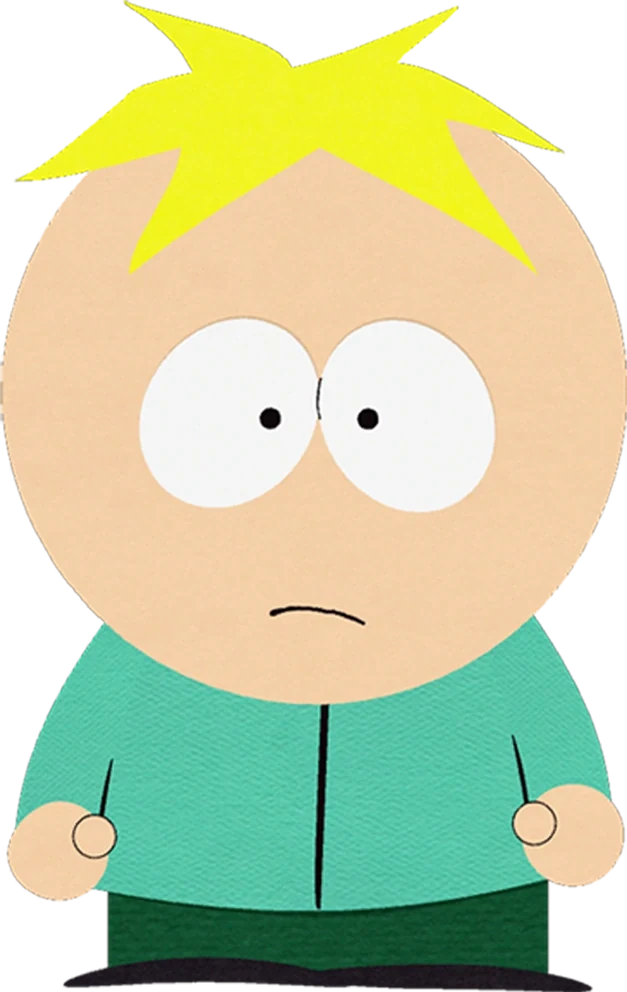
Butters' small pointed blond tuft stays compact above the head, with a turquoise shirt below. A continuity note can specify that scale rather than every hair point. If a later image adds a large hairstyle, the discrepancy is easy to identify even when the face remains similarly drawn.
Tweek Tweak
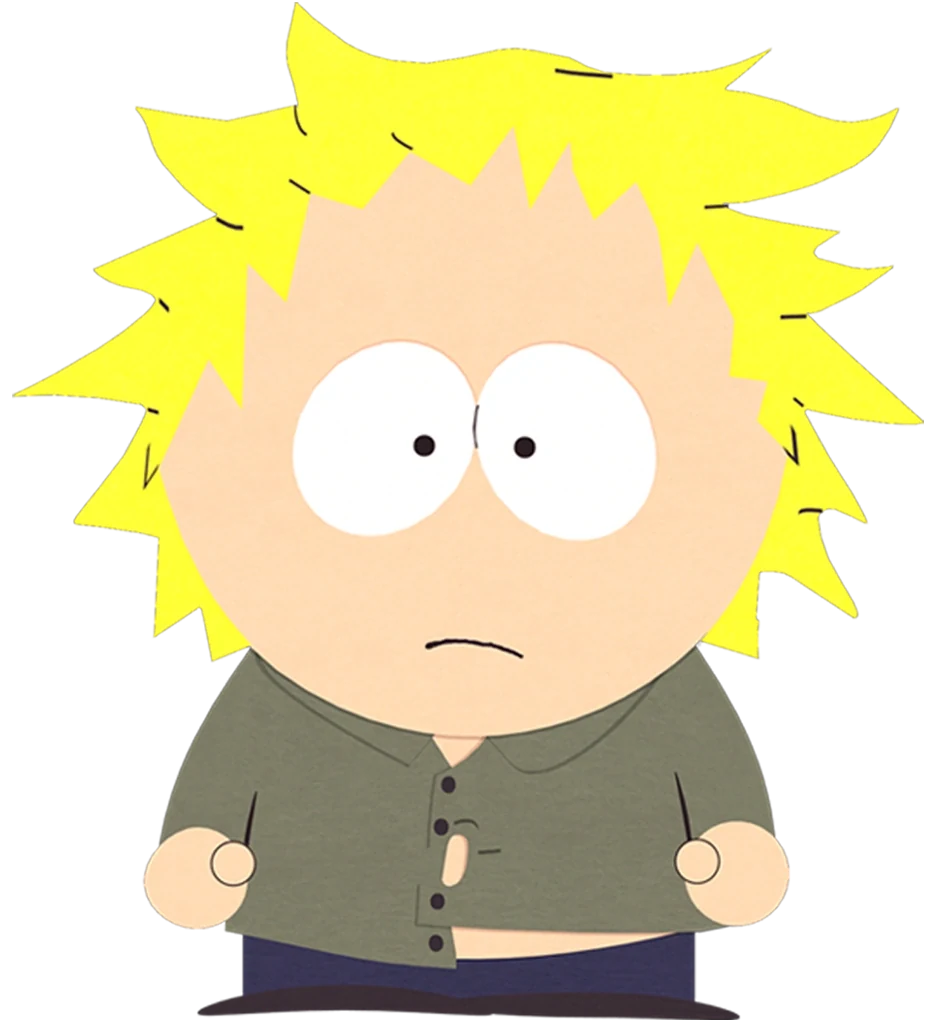
Tweek's blond hair extends outward in several directions, while the olive shirt has an uneven closure. Keep those observations separate from any proposed expression. A new facial reaction may be an intentional scene change, whereas replacing the irregular hair with a neat rounded style would alter the reference design.
Wendy Testaburger
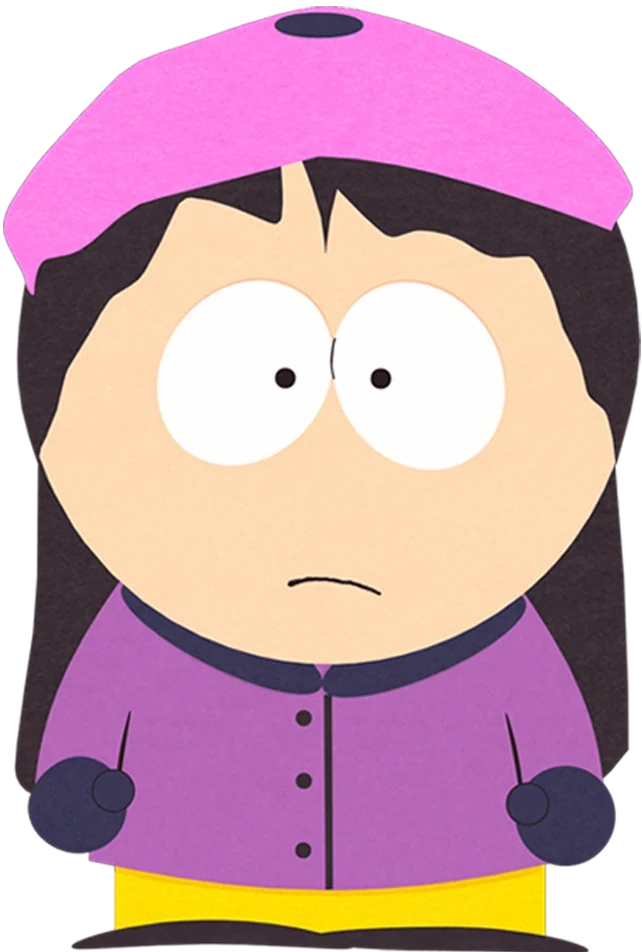
Wendy's pink beret and long dark hair sit above and beside the purple coat. A closer crop may conceal the hair's lower length without changing it. Continuity review should distinguish information hidden by framing from a genuine redesign, rather than marking every absent detail as an error.
Bebe Stevens
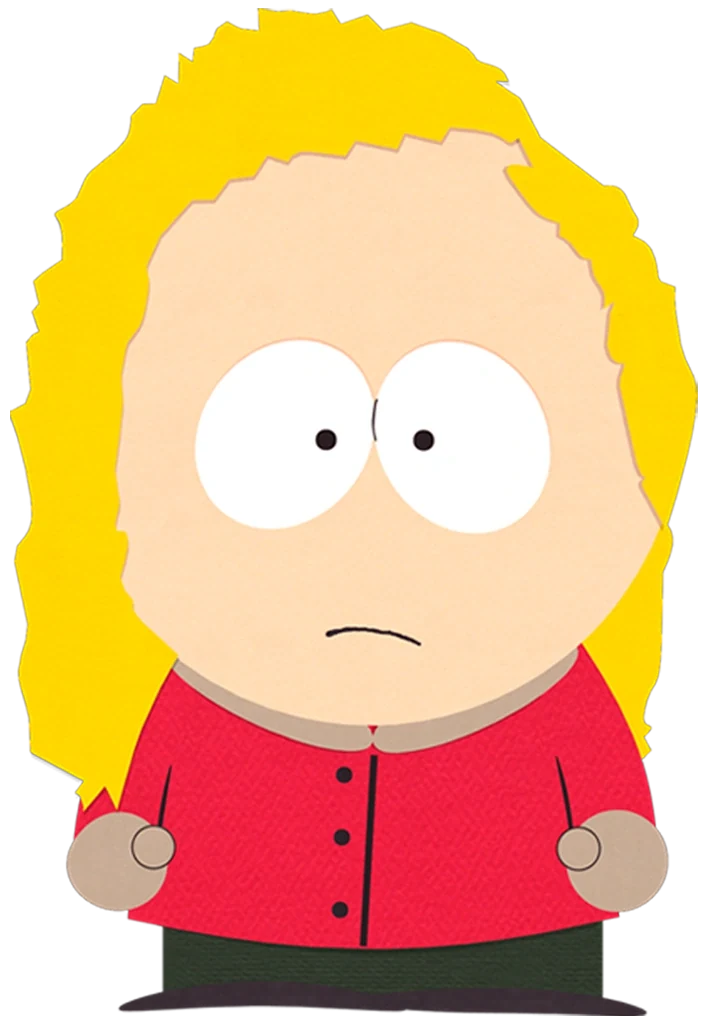
Bebe's blond hair fills a broad area around the head and shoulders, with a red top beneath. Its volume is a useful fixed cue. When comparing two images, check the outer contour first; a change in tiny strands matters less than losing the larger shape that frames her face.
Track posture and costume context
Craig Tucker
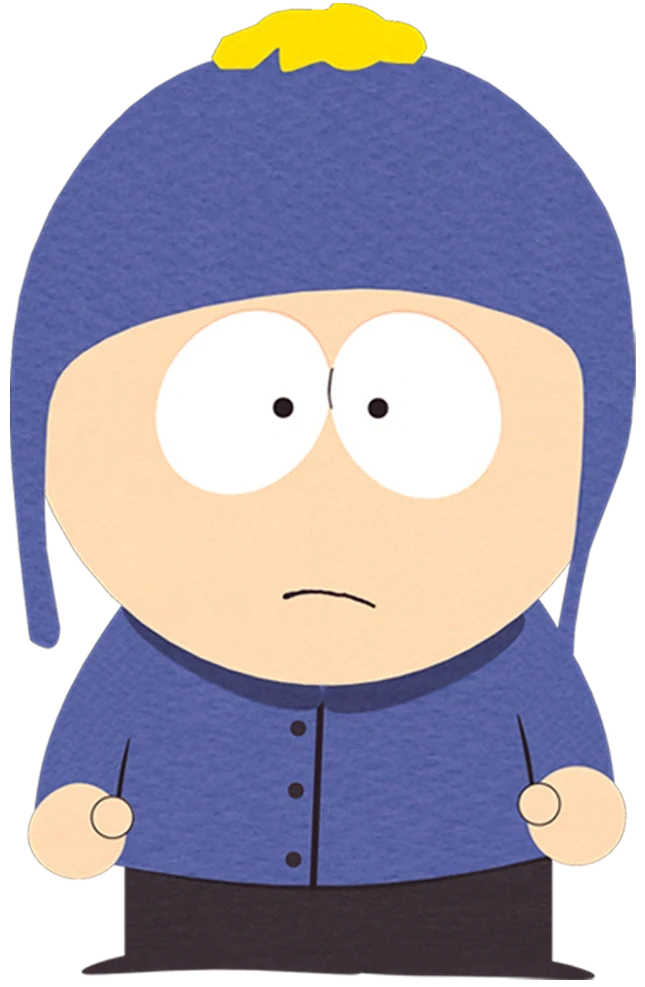
Craig's blue earflap hat has a yellow pom-pom, above a blue jacket. The nearly continuous blue palette is part of the arrangement. A continuity note should name the location of the yellow accent, preventing it from drifting to a scarf or other new accessory in a later variation.
Tolkien Black
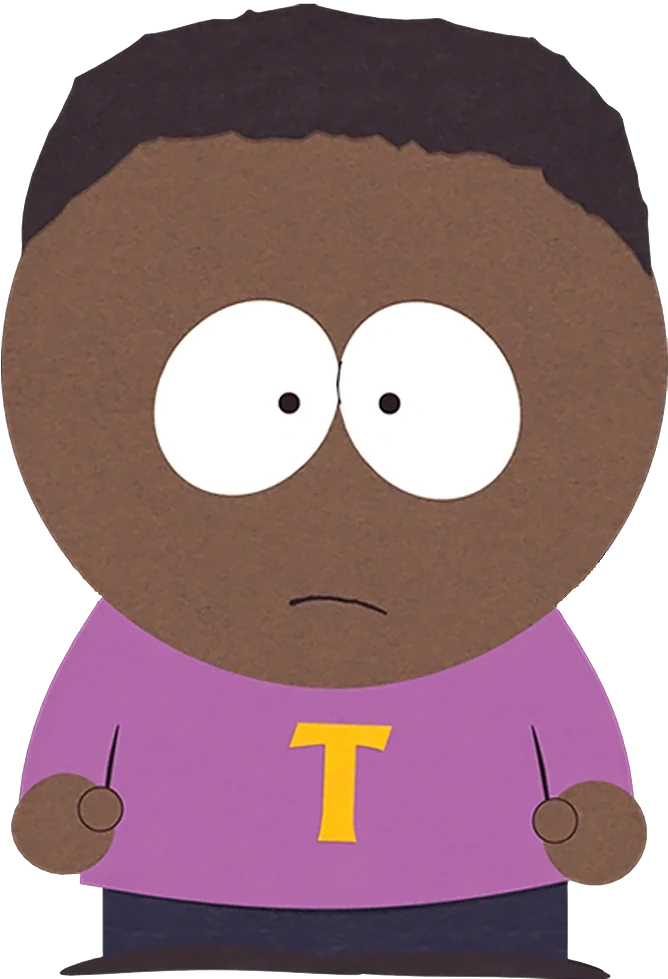
Tolkien's purple shirt includes a yellow T, and dark hair shapes the upper head. The letter may be hidden in a headshot, but it should be considered in a torso view. Review each image against what its crop actually reveals, rather than expecting all references to show the same details.
Timmy Burch
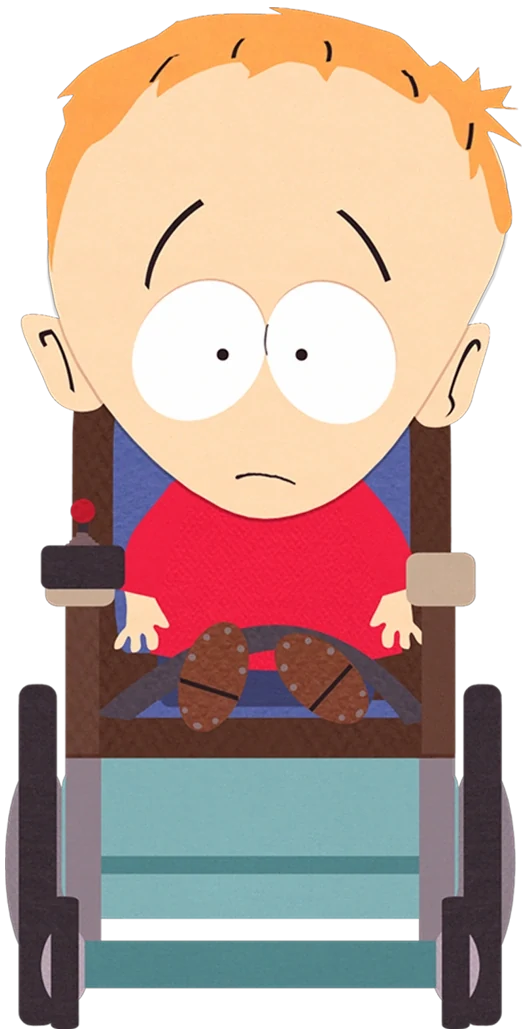
Timmy's seated posture and wheelchair belong in the continuity record together. His red shirt sits above the chair's blue-green lower section. A later wide image should preserve the relation between the body, wheels, and handles; correcting only the clothing would leave a larger spatial inconsistency unresolved.
Randy Marsh

Randy's farmer costume contains a brimmed hat, plaid shirt, and dark outer layer. Mark this as an outfit version. If a series intentionally uses several Randy appearances, changes in clothing may be valid, but they should be planned and labeled rather than treated as unexplained drift.
Review variations with a simple record
For an original character series, create three fields: fixed design, intended change, and observed result. The fixed design might be a short-haired courier wearing a green helmet and tan coat. The intended change could be a side view beside a bicycle. The observed result records whether those elements actually survived.
This is a planning method, not a generation test. Its advantage is that it lets you diagnose a problem without rewriting the entire brief. If the bicycle is correct but the helmet becomes a cap, revise the headwear instruction. If the side view hides a coat button, that may simply be a consequence of the angle.
A South Park character creator can help you think about a still design, and a South Park character maker brief can describe an original flat cartoon figure. Consistency across multiple images remains something to inspect in actual outputs. Save the reference and compare visible evidence rather than assuming a shared prompt guarantees a matching character.
You can develop a visual project from the homepage and find other reference studies in the blog. Keep the brief concise enough that you can explain which decision changed after every revision. Choose a small set of details to carry through the series when you try South Park Character Creator.
Make one deliberate variation
To plan an original three-image series, keep the character design fixed and vary only the setting at first. A courier might appear outside a shop, beside a bicycle, and at an apartment entrance. The green helmet, tan coat, and blue bag remain the same. This limited variation makes it easier to see whether the identity is stable before introducing a new outfit or complex action.
Record any intended exception. If the third image removes the helmet indoors, say so in the scene note and preserve another identifying cue, such as the coat or hairstyle. A deliberate change can make sense to a viewer when the context supports it. An unexplained change leaves them guessing. After the series is readable, consider wider variations one at a time. The principle is not to freeze every detail forever; it is to understand what each change communicates and which remaining features keep the character recognizable.
Keep episode variations in their own category
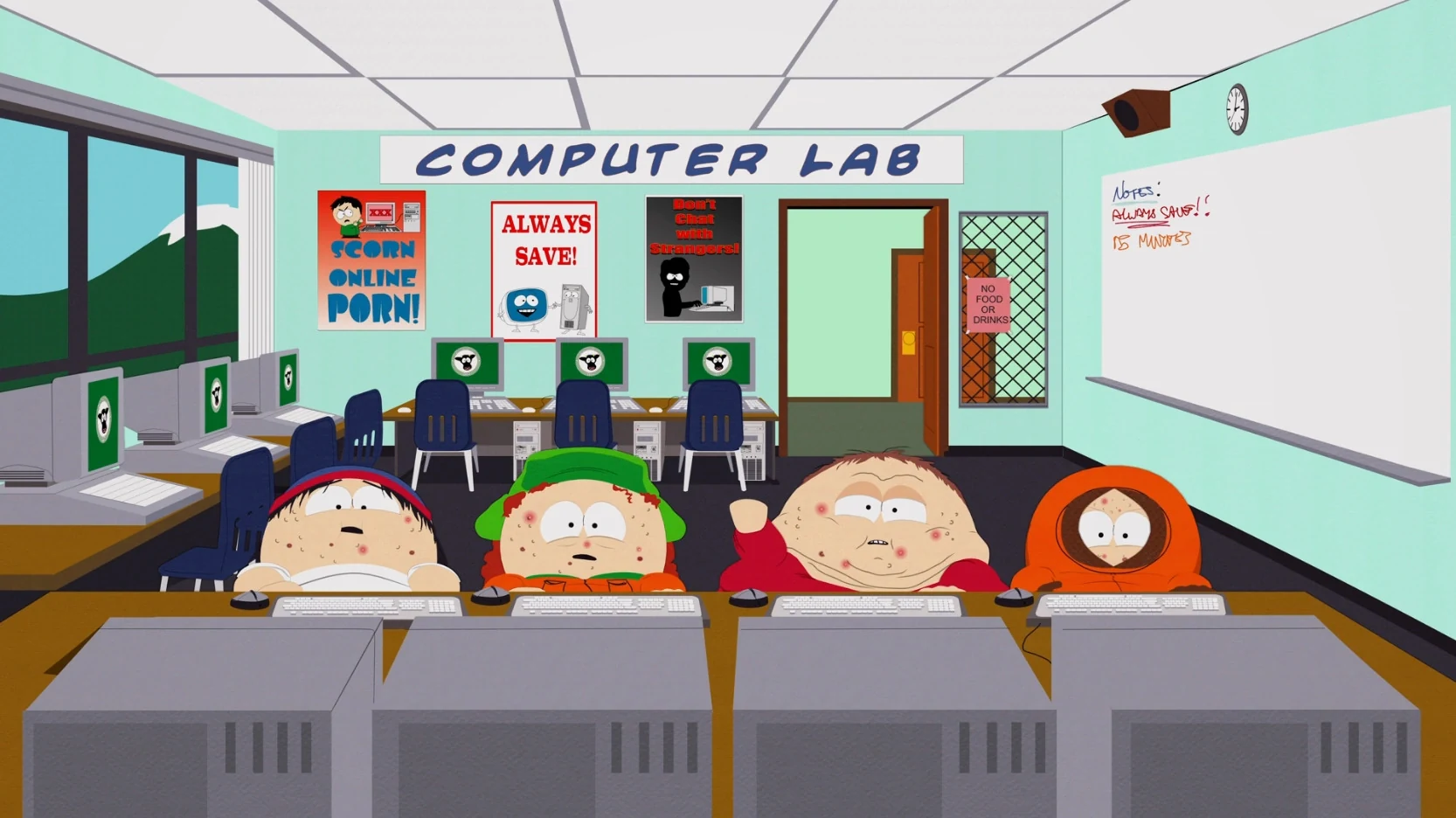
Make Love, Not Warcraft is the story behind the South Park World of Warcraft connection. The boys' game characters are repeatedly killed by a powerful player, and Cartman leads a plan to build the group's strength. The resulting episode appearance differs from their ordinary portraits.
In the computer-lab frame, familiar clothing connects those altered figures to the cast. Kyle keeps green headwear, Kenny the orange hood, and Stan his blue-and-red cap. Cartman appears in a red jacket without the usual cap. These are contextual variations, not a requirement that every reference look identical.
For a South Park maker series, label an intentional appearance change and preserve the cues that still identify the subject. Comparing a standard Cartman South Park portrait with this frame shows why continuity means an understandable relationship between versions, rather than complete visual sameness. To develop a new character for a visual series, try South Park Character Creator.